Suicide fears neither gun nor handcuffs. Last year, it claimed 567 Malawians. Three of them were prison officers in the Southern Region. Four others tried and survived.
Jefferson Milanzie knows that darkness. He tried to take his own life several times. He survived. Now he has embarked on training prison officers how not to die.
“I attempted suicide on several occasions, but I moved on over time,” Milanzie said. “Hearing the stories from prison, we want to train inmates as well as officers on how they can handle stress and depression.”
Milanzie is executive director of Young Achievers for Development (YAD). Last year, its Abambo Tibe Khonde Initiative handled six anonymous cases from prison officers.
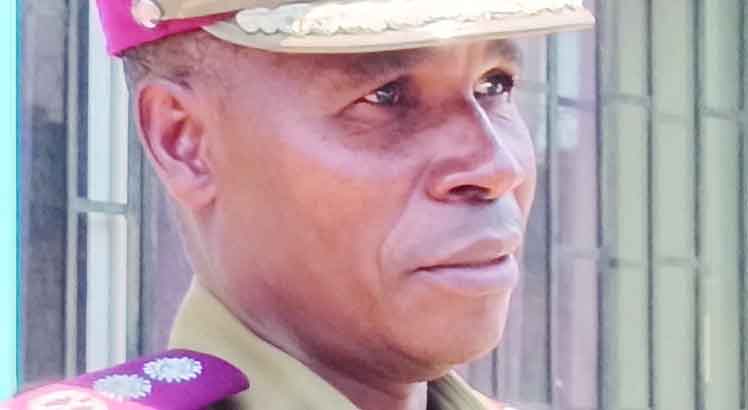
His warning came last Thursday as the Malawi Prisons Service (MPS) in the Southern Region signed a mental wellness pact with YAD’s Abambo Tibe Khonde Initiative and the Gift of the Givers Foundation.
A survey of 4 142 officers in the region revealed the scale of the distress behind the uniform: 145 alcohol-related cases, 68 gambling cases, 105 family conflicts, 149 debt cases and 18 disciplinary hearings on social issues.
“Behind this uniform, there is a human being. When an officer dies, their family is affected,” said Southern Region prison mental health clinical officer Demster Chimatiro.
He said prison workers face high societal expectations to withstand pressure, while carrying occupational stress, family squabbles, career frustrations, financial pressure, gambling and substance abuse.
Deputy commissioner of prisons Zacheus Malekano M’bawa said the Service has for too long focused only on security and discipline.
“Overcrowding, shortage of resources and haunting stories from inmates put pressure on prison workers. Mental health should be given priority,” M’bawa said.
He said the wellness message must reach all officers at all stations, with more support and counselling.
Gift of the Givers country director Sherifa Mia said officers are seen as “iron men in uniform” and neglected.
“We should not forget prisoners because all of us are potential prisoners. We don’t have to look down on inmates and officers,” Mia said.
She said mental health is a global concern, but it is harder when officers are neglected because of how they are perceived.
Milanzie said the project will expand nationally.
Chimatiro added that prisoners’ mental health also remains unaddressed, with many facing stigma and discrimination even after release.
In 2023, suicide claimed 527 people. In 2024, it rose to 594, before easing slightly to 567 in 2025.